
frameless bathroom wall mirror
Understanding the 4% Foot Level A Guide to Accurate Measurements with a Ruler Precision in measurements is essential in various fields, from engineering and architecture to art and crafting. When working with a ruler, one common reference point that often arises is the 4% foot level. This term generally refers to a method of taking measurements that ensures accuracy, particularly when it comes to ensuring consistency across different scales or dimensions. In this article, we will explore the importance of the 4% foot level, how to measure effectively with a ruler, and share practical tips for achieving precision in your measurements. What is the 4% Foot Level? The concept of the 4% foot level is grounded in the idea of taking measurements from a standardized point. In practical terms, it often signifies that measurements should be made at a height that is representative or indicative of typical conditions. This is particularly relevant in fields such as geology, construction, and landscaping where elevation can significantly impact results. For example, when surveying land or assessing soil composition, measurements taken at a specific height (like 4% of the total foot or elevation) ensure that that data is reliable and reflects the general state of the area being examined. This standardization helps mitigate discrepancies that may arise due to variations in the measurement point's height or location. The Importance of Accurate Measurements Accurate measurements are fundamental across multiple disciplines. In engineering, even the slightest error can lead to structural failures or costly redesigns. In crafting, precise dimensions ensure that pieces fit together perfectly. The goal of achieving a 4% foot level is to help mitigate the risk of human error and variations in technique by adhering to a systematic approach to measurement. Moreover, in fields like real estate and landscaping, accurate measurements can affect everything from property appraisal to the geometry of outdoor spaces. A slight error in height or distance could drastically change the use or presentation of a space. Therefore, understanding how to attain and maintain the 4% foot level is crucial for professionals and hobbyists alike. How to Measure Accurately with a Ruler 4 foot level with ruler 1. Select the Right Ruler Depending on your project, using the right ruler is essential. For most construction projects, a standard 12 or 36-inch ruler works well. For fine detail work, a smaller, more precise ruler (like a caliper) may be necessary. 2. Positioning When measuring, ensure your ruler is placed flat against the surface you are measuring. This avoids potential errors due to angles or misalignment. 3. Consistent Point Always measure from the same point on the ruler (usually the zero mark). Avoid starting from arbitrary points as this can lead to inconsistent readings. 4. 4% Height Measurement If applicable, ensure that when measuring heights (for instance, in landscaping), you start at the 4% foot level for greater consistency. This means determining the baseline height and then measuring up from that point. 5. Double-Check Always measure twice or even thrice for assurance. This redundancy helps catch any potential mistakes, especially in intricate projects. 6. Use Additional Tools For larger measurements where a standard ruler is impractical, consider using measuring tapes, laser measurers, or digital calipers. These tools can provide more accurate and easier measurements for large distances. Conclusion The emphasis on maintaining a 4% foot level while measuring is an important practice that highlights the significance of standardization in measurement techniques. By applying appropriate methods and tools, individuals can ensure their work is precise and reliable. Whether you’re a professional in engineering or an enthusiast in crafting, understanding and implementing the concept of 4% foot level measurements can greatly improve the quality of your projects and outcomes. Ultimately, accurate measurements lay the foundation for successful endeavors, enabling us to create with confidence and precision.
about
frameless bathroom wall mirror
Understanding Differential Gauge A Comprehensive Overview A differential gauge is a vital instrument commonly used in various industrial applications, measuring the difference in pressure between two points in a system. This pragmatic device plays a crucial role in ensuring operational efficiency, safety, and optimal performance across numerous sectors, including manufacturing, HVAC (heating, ventilation, and air conditioning), and automotive industries. At its core, a differential gauge works by comparing two separate pressure inputs and displaying the difference on a calibrated scale. This functionality makes it especially useful for applications that require precise pressure management, such as monitoring fluid flow in pipelines, assessing air pressure in pneumatic systems, or evaluating the performance of filters and other equipment that may cause pressure drops. The construction of a differential gauge typically features a set of two pressure ports, enabling it to receive inputs from two distinct points. These ports are connected to a sensing element, usually a diaphragm or a Bourdon tube . When pressure is applied to the sensing element, it deforms in response to the pressure differential between the two ports. This deformation is then translated into a mechanical movement that drives an indicating needle or activates a digital display, showcasing the differential pressure values. differential gauge One of the pivotal advantages of differential gauges is their ability to detect minor pressure differences that might go unnoticed with a standard gauge. This capability is crucial in various systems, such as monitoring filter performance where even slight changes can indicate a blockage or degradation in filter efficiency. Consequently, utilizing a differential gauge allows for proactive maintenance and timely interventions, minimizing system downtime and extending equipment lifespan. In addition to industrial applications, differential gauges are instrumental in laboratory settings, such as in scientific research and development. Here, they assist researchers in applying precise pressure differentials to conduct experiments that require stringent control over environmental conditions. Similarly, in the semiconductor manufacturing process, differential gauges help ensure that pressure differentials within fabrication equipment remain within specified limits for optimal product quality. Differential gauges come in various types, including mechanical and electronic versions. Mechanical differential gauges utilize traditional dial and needle mechanisms, while electronic variants often come equipped with digital displays and advanced features like data logging and wireless connectivity. This evolution in technology has enhanced the accuracy and functionality of these instruments, making them increasingly user-friendly and versatile. In summary, differential gauges are indispensable tools in modern industrial and laboratory environments. By accurately measuring pressure differentials, they enable operators to monitor systems effectively, identify potential issues early, and ensure optimal functioning of equipment. As industries continue to advance and evolve, the importance of precision measurement instruments like differential gauges will only grow, cementing their value in ensuring safety, efficiency, and reliability across various applications. Whether in a factory, laboratory, or HVAC system, the differential gauge remains a key component in the pursuit of excellence and productivity.
-

High quality industrial productsagement

High quality industrial products
View Details -

Meet the diverse needs of customers

Meet the diverse needs of customers
View Details -

Strict quality control

Strict quality control
View Details -

Top raw materials

Top raw materials
View Details -

Trusted supplier

Trusted supplier
View Details
Our application

news and information

Welding Tables Available for Purchase Online at Competitive Prices
When it comes to welding projects, having the right equipment is crucial to ensure efficiency and qu
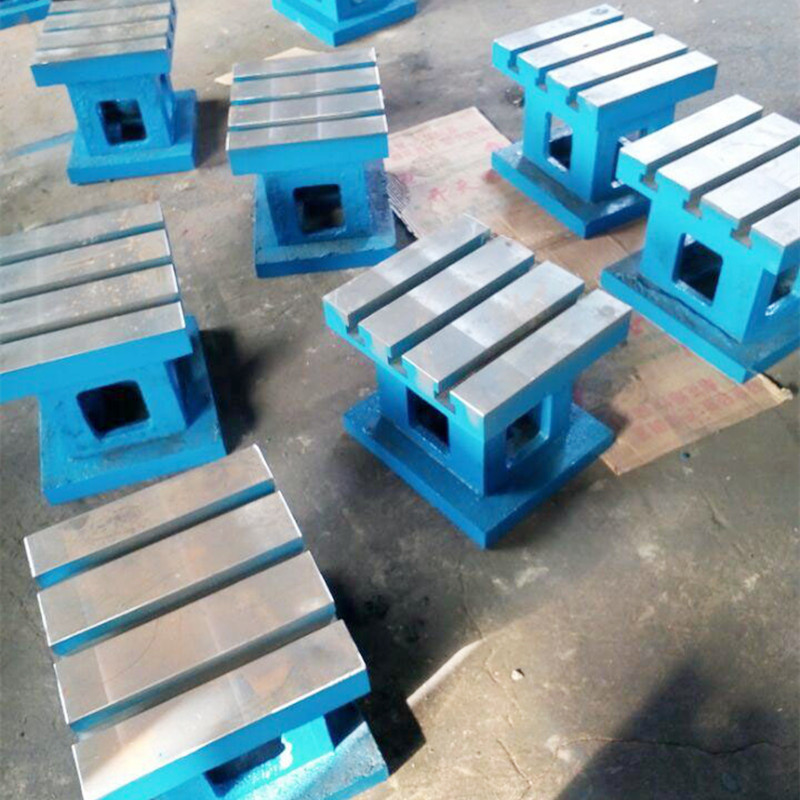
V Blocks for Sale – Precision V Block Types & Cast Iron Vee Blocks
Storaen (Cangzhou) International Trading Co. Official Website: https://www.strmachinery.com E-mail:
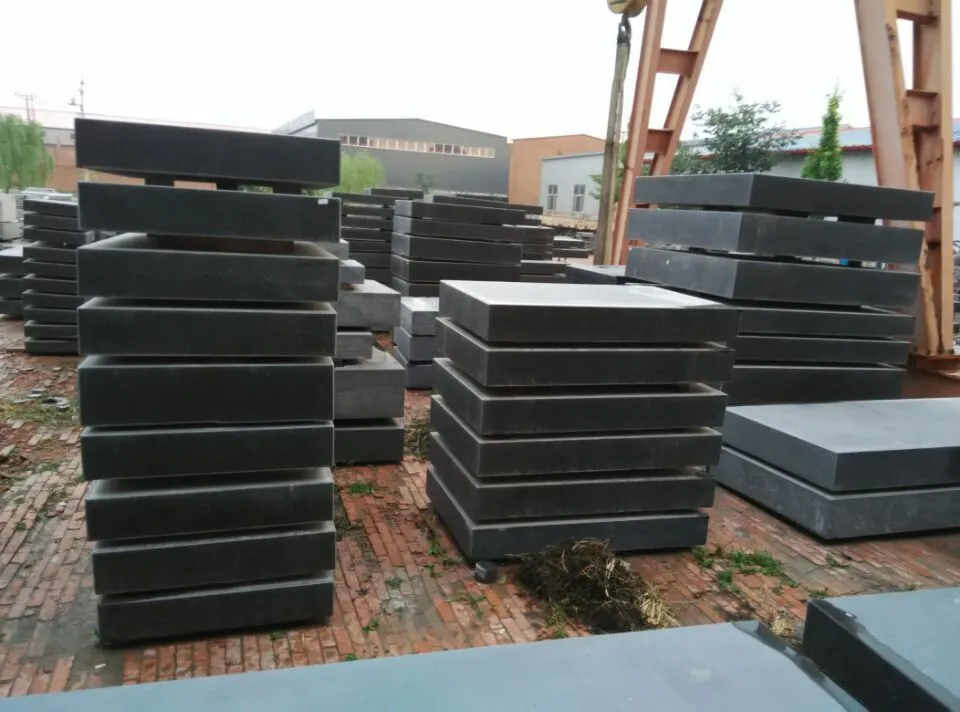
Wood Frame Truss Nail Plate Connection Engineering and Installation Essentials
The Significance of Wood Frame Truss Nail Plates in Construction In the realm of construction and e
 English